
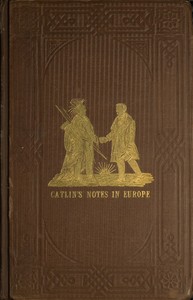
Adventures of the Ojibbeway and Ioway Indians in England, France, and Belgium;…
George Catlin was an American artist obsessed with painting Native American life before, as he saw it, it disappeared. In the 1840s, he had a bold and controversial idea: he would bring a group of Ojibwe and Iowa men, women, and children to Europe. His goal? To present them and their cultures to European audiences through live performances, hoping to earn money and, in his mind, preserve their traditions.
The Story
The book is Catlin's travel diary of this three-year tour. We follow the group as they arrive in England, are presented to Queen Victoria, and perform in major theaters. Catlin describes the crowds' amazement at their dances, war whoops, and games. He writes about taking them to see the sights of London and Paris—their reactions to grand buildings and strange customs are some of the most human moments in the book. But the story is shadowed by constant trouble. There are money problems, disagreements within the group, and devastating illness. Tragically, several members of the touring party, including a young child, die far from home. The journey becomes less a triumphant tour and more a grinding struggle for survival.
Why You Should Read It
This isn't a clean, heroic adventure. It's a profoundly awkward and revealing document. Reading it, you're stuck inside Catlin's head. He clearly admires his companions and is devastated by their deaths, yet he never fully questions his own role. He portrays himself as their champion, but he's also the manager selling tickets. That contradiction is the heart of the book. It forces you to think about good intentions, exploitation, and how the 'noble savage' idea was packaged and sold. The moments where the Indigenous travelers push back or express their own views are electric.
Final Verdict
This is a challenging but important read. It's perfect for anyone interested in the raw, uncomfortable edges of 19th-century history, not the polished version. If you like primary sources that don't give easy answers, this is for you. Be prepared to be frustrated by Catlin, to feel heartbroken for the travelers, and to sit with a story that's equal parts fascinating and deeply sad. It's history without a filter.
This publication is available for unrestricted use. It is available for public use and education.
Emma Brown
3 months agoWithout a doubt, it manages to explain difficult concepts in plain English. Exceeded all my expectations.
Logan Wright
8 months agoThis is one of those stories where the flow of the text seems very fluid. One of the best books I've read this year.




Michael Harris
1 year agoAfter finishing this book, the atmosphere created is totally immersive. I couldn't put it down.