
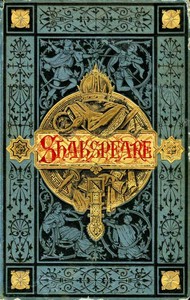
Dramas de Guillermo Shakspeare [vol. 1] by William Shakespeare
Let's be real: Shakespeare can seem intimidating. The language is 400 years old, and it feels like there's a whole industry built around telling us why he's a genius. But reading this first volume reminded me why he earned that reputation in the first place. It's not about fancy words; it's about raw, human stories that haven't aged a day.
The Story
This collection packs a punch. You get three heavy hitters. Hamlet follows a prince who sees his father's ghost and learns he was murdered. His quest for revenge gets tangled in doubt, madness, and some seriously bad luck. Romeo and Juliet is the ultimate rush-job romance. Two kids from feuding families fall in love fast and make desperate choices with tragic consequences. Then there's Othello, where a brilliant military commander has his marriage and his mind poisoned by the lies of a trusted friend. Each play is a pressure cooker of emotion, where a single bad decision or a whispered lie spirals into disaster.
Why You Should Read It
I keep coming back to Shakespeare because his characters feel real. Hamlet isn't just an avenger; he's a guy paralyzed by overthinking. We've all been there. Iago from Othello is one of the most chilling villains ever written because his evil isn't supernatural—it's just pure, petty envy. And Romeo and Juliet? It's a warning about what happens when young passion crashes into old hatred. The themes are huge—love, jealousy, honor, madness—but they're built from moments anyone can understand: a private grief, a secret wedding, a nagging suspicion. You're not just reading plays; you're getting a front-row seat to the best and worst of human nature.
Final Verdict
This book is perfect for anyone who loves a great story, full stop. If you're a fan of true crime, you'll be hooked by the mystery and moral twists in Hamlet. If you love intense family dramas or psychological thrillers, Othello is your play. And Romeo and Juliet is the blueprint for every romantic tragedy that came after it. Don't worry about 'getting' every single word on the first try. Read it out loud, use the footnotes if you need to, and let the story carry you. You'll be surprised by how much you recognize in these characters from 1600. They're us.
Legal analysis indicates this work is in the public domain. You do not need permission to reproduce this work.
Barbara Lopez
8 months agoCitation worthy content.
Sandra Lewis
11 months agoClear and concise.



Paul King
5 months agoFrom the very first page, it manages to explain difficult concepts in plain English. Definitely a 5-star read.