
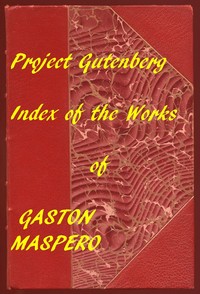
History of Egypt, Chaldæa, Syria, Babylonia, and Assyria by G. Maspero
Let's be clear: this isn't a novel with a plot. The 'story' here is the grand, messy, and utterly human saga of how civilization itself got started. Maspero takes us on a tour of the ancient Near East, starting with the dawn of Egyptian society along the Nile and the simultaneous rise of city-states in Mesopotamia, the land between the Tigris and Euphrates rivers.
The Story
The book follows the arc of these cultures from their mythical origins and early kings to the height of their imperial power. You'll meet the pyramid-builders of Egypt, the law-giving Hammurabi of Babylon, and the fierce warrior-kings of Assyria. It's a story of invention—writing, law, monumental architecture—and of constant conflict, diplomacy, and cultural exchange. The narrative shows how these empires grew, clashed, traded ideas, and eventually fell, setting the stage for everything that came after. The 'conflict' is humanity's struggle against chaos, nature, and each other to build something lasting.
Why You Should Read It
What makes Maspero special is his voice. He was a storyteller, not just a scholar. While some details are dated (it was written over a century ago), his enthusiasm is contagious. He writes about these long-dead pharaohs and conquerors with a sense of immediacy, piecing together their lives from statues, broken tablets, and tomb paintings. You get a real sense of the detective work involved in history. Reading him, you understand that history is a puzzle we're still solving, and he was one of the first to try and fit the big pieces together. It’s less about memorizing facts and more about feeling the weight and wonder of deep time.
Final Verdict
This book is perfect for the curious reader who wants to go back to the source. It's for anyone who loves epic stories and wonders about the very first chapters of the human story. If you enjoy shows about archaeology or have ever stared at a picture of the Sphinx or a ziggurat and thought, 'How? Why?'—this is your starting point. Just approach it as a brilliant, old-school overview, a compelling narrative that launched a thousand more detailed studies. Pair it with a modern podcast or documentary for the latest discoveries, and you'll have the perfect mix of classic storytelling and current science.
You are viewing a work that belongs to the global public domain. You are welcome to share this with anyone.
Andrew White
3 months agoAfter finishing this book, the clarity of the writing makes this accessible. I couldn't put it down.
Joshua Martin
1 year agoIf you enjoy this genre, the emotional weight of the story is balanced perfectly. Thanks for sharing this review.
Kimberly King
1 year agoEnjoyed every page.
Michael Lewis
10 months agoUsed this for my thesis, incredibly useful.




Charles Brown
1 month agoThe analytical framework presented is both innovative and robust.