
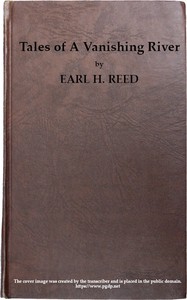
Tales of a Vanishing River by Earl H. Reed
I picked up 'Tales of a Vanishing River' expecting a simple nature book. What I found was a moving portrait of a community in quiet crisis.
The Story
The book is a series of connected stories set in a small American town. The central character isn't a person, but the river that runs through it. We see the town through the eyes of different residents as they notice the water levels dropping. First, it's a slight inconvenience—a favorite swimming hole gets shallower. Then, it becomes a serious problem as irrigation ditches run dry and barges can't pass. The community scrambles for answers and solutions, all while grappling with the emotional weight of losing a landmark that defined their history and daily lives.
Why You Should Read It
Reed's writing is his superpower. He doesn't shout; he observes. His descriptions of the changing landscape are so clear and heartfelt, you feel the dust in the air and the worry in the town meetings. The characters feel real—not heroes, just people trying to cope. What struck me most was how modern this 1920s book feels. The central theme of environmental change and a community's response to it is incredibly relevant today. It’s not a preachy book, but a human one. It makes you think about what we take for granted and how we’d react if it started to disappear.
Final Verdict
This book is perfect for readers who love character-driven stories and American regional writing. If you enjoyed the quiet atmosphere of works by Wendell Berry or the community-focused tales of Sherwood Anderson, you'll feel right at home here. It’s also a great pick for anyone interested in early environmental writing or historical fiction that doesn't feel dusty. Fair warning: it's a slow, thoughtful burn, not a fast-paced thriller. But if you let its current pull you in, 'Tales of a Vanishing River' leaves a lasting impression, like the memory of water in a dry streambed.
No rights are reserved for this publication. Use this text in your own projects freely.
Michael Anderson
1 month agoSolid information without the usual fluff.
Barbara Garcia
1 year agoThe methodology used in this work is academically sound.
Joseph Moore
3 months agoThis is an essential addition to any academic digital library.
Amanda Jones
1 year agoVery interesting perspective.


Michael Jones
4 months agoI've been looking for a reliable source on this topic, and the author clearly has a deep mastery of the subject matter. A trustworthy resource that I'll keep in my digital library.