
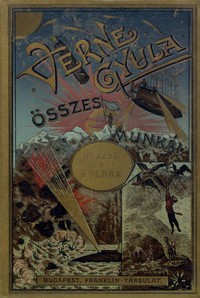
Utazás a Holdba kilenczvenhét óra és husz percz alatt by Jules Verne
Jules Verne's From the Earth to the Moon (published under its original Hungarian title here) is a blast from the past in the best way possible. Written a full century before Apollo 11, it’s a stunning piece of speculative fiction that mixes careful calculation with boundless adventure.
The Story
After the American Civil War, the members of the Baltimore Gun Club are bored. These artillery experts need a new project. Their president, the impulsive Impey Barbicane, proposes the ultimate goal: build a cannon so enormous it can fire a projectile to the moon. The world is captivated. With huge public funding and scientific input from a French rival, Michel Ardan, they build the Columbiad cannon in Florida. The plan evolves from sending a simple projectile to launching a manned, aluminum capsule. Barbicane, Ardan, and a daring sea captain named Nicholl volunteer for the trip. The book follows their incredible preparation, the tense, worldwide countdown, and the final, earth-shattering launch. We’re left hanging as their capsule speeds toward the lunar surface, its fate a thrilling question mark.
Why You Should Read It
What amazed me wasn't just the prediction of space travel, but the spirit of it. Verne’s characters aren't superheroes; they're enthusiastic, competitive, and brilliantly flawed people who see a problem and decide to solve it with sheer will and math. The book is packed with technical details about trajectories, materials, and financing that Verne presents with a straight face. You get swept up in the logic of it. It’s a celebration of human ingenuity and optimism. Reading it today, you can feel the infectious excitement of tackling the impossible. The friendship and rivalry between the three main travelers give the science a warm, human heart.
Final Verdict
This book is perfect for anyone who loves classic adventure, the history of science, or just a really good story about a wild idea. It’s for the dreamers and the tinkerers. If you enjoy the practical problem-solving in The Martian but want it with a 19th-century flair and a lot more gunpowder, you'll have a fantastic time. It’s a reminder that the journey to the stars begins with someone looking up and saying, 'Let's try.'
This is a copyright-free edition. You do not need permission to reproduce this work.



Lisa Anderson
5 months agoIf you enjoy this genre, the content flows smoothly from one chapter to the next. A true masterpiece.