
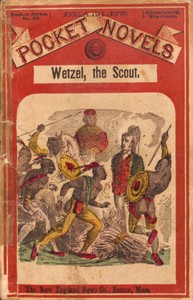
Wetzel, the Scout; or, The Captives of the Wilderness by Edward Sylvester Ellis
So, I just finished Wetzel, the Scout; or, The Captives of the Wilderness by Edward Sylvester Ellis, and I’ve got to tell you—this is one of those classic adventure yarns that made me feel like a kid again, glued to a page in a tent in my backyard.
The Story
The book drops us straight into the perilous 1700s Appalachian frontier. Lewis Wetzel, a real-life legendary scout known for his cunning and strength, gets caught up in a desperate mission. A family of settlers is brutally taken hostage by a war party during the chaos of the Ohio Valley raids (think the era of the Revolutionary War, but out in the sticks). The rest of the book is all about the chase. With the fate of the captives riding on his shoulders, Wetzel must follow the tangled trail through dense forests, over rivers, and face off against not just enemies but also the terrifying wilderness itself. There are ambushes, midnight escapes, and some truly hairy moments that feel ripped from frontier folklore.
Don’t expect a complicated love triangle or some moral beard-rubbing. This is pure, high-octane survival, and the plot zips along at a breakneck speed, always focused on the big escape plan.
Why You Should Read It
If you’ve ever loved old-school adventure yarns like Last of the Mohicans or even just have a soft spot for Westerns and warrior-explorer vibe, you’ll get right into this. For me, the biggest draw is Wetzel himself. He’s not a perfect good-guy, wearing a fake superhero smile. He’s hardened, surviving by his guts, and you respect him. Also, the book dives head-first into how brutal that era was. It’s not sugar-coated martyrdom; you genuinely get the sense of cold nights, sudden terror, and how ordinary people—scared as heck—still risked everything to free their families.
Also, Ellis writes like a storyteller shouting around a campfire, “You’ll never believe it, but then Wetzel DID THIS!” It’s full of whiz-bang action and close calls, meaning you don’t hit any sleepy patches. It’s 1890s writing, so the language is sometimes flowery, but it basically remains easy and gripping if you just let the book’s heart run with it.
Final Verdict
Honestly? This book is pure fuel for anyone who loves hard-nosed historical adventure. If classic wilderness epics and gritty odysseys swap shelves in your reading nook, you’ll snack on this like trail mix. It functions best as an adrenaline-soaked throwback. Perfect for history buffs who thrive on tall tales from Early America and total story seekers who just want someone to blast through the woods with a rifle and free some captives—no gray areas needed. Fair warning, though: children and women get called thingy-poo Indian slurs (realistic to the times, not chaser), so unless that dosen't hassle your train of thought, dive right out into the dark woods with Lewis Wetzel.”}
This digital edition is based on a public domain text. Share knowledge freely with the world.
Mary Anderson
3 months agoThe methodology used in this work is academically sound.
David Martinez
2 months agoThe clarity of the introduction set high expectations, and the language used is precise without being overly academic or confusing. Finally, a source that prioritizes accuracy over hype.
Richard Lopez
5 months agoIt effectively synthesizes complex ideas into a coherent whole.
Joseph Johnson
1 year agoI took detailed notes while reading through the chapters and it addresses the common misconceptions in a very professional manner. Well worth the time invested in reading it.




Michael Moore
8 months agoThis was exactly the kind of deep dive I was searching for, the structural organization allows for quick referencing of key points. The price-to-value ratio here is simply unbeatable.